Regenerative care
PRP vs stem cell injections: what the research actually says
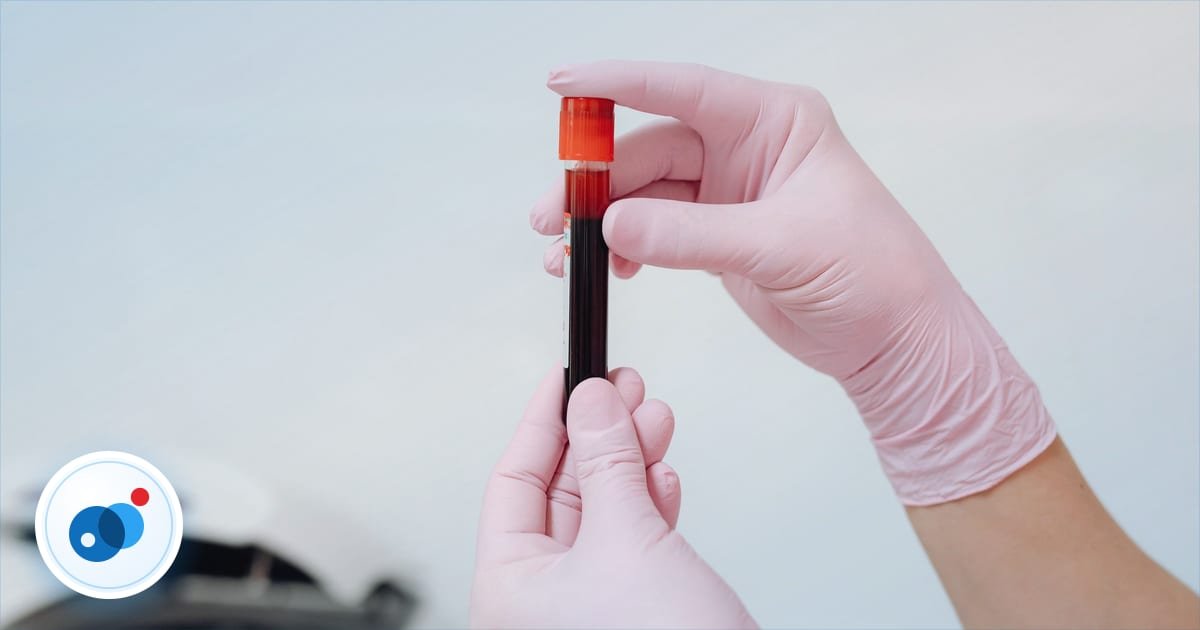
If you have been reading about treatment for knee, shoulder or hip pain, you have probably seen PRP and “stem cell” injections side by side, often with confident claims attached. This article sets out what each one is, what the better quality studies have found, what they typically cost, and where the honest uncertainties are. It is general information, not medical advice: a licensed provider who has examined you is the right person to say what suits you.
The short answer
- PRP is made from your own blood and is the better studied of the two. The results are mixed: some patients report less pain and better function, and some well designed trials found no difference from a placebo injection.
- “Stem cell” injections offered in clinics are usually donor umbilical cord (Wharton’s jelly) products, or cells taken from your own bone marrow or fat. In a large 2023 trial, none of these did better than a standard corticosteroid injection for knee arthritis pain at 12 months.
- Neither is FDA approved to treat any orthopedic condition, and neither has been shown in controlled trials to restore lost cartilage.
- Results vary from person to person, which is why a careful evaluation matters more than the name of the injection.
What PRP is
Platelet-rich plasma is prepared from a small sample of your own blood. The sample is spun in a centrifuge to concentrate the platelets, which carry growth factors involved in the body’s normal response to injury, and the concentrate is injected into or around the painful joint or tendon.
Because PRP comes from you and is prepared during the same visit, it sits in a very different regulatory position from donor cell products. It is still not FDA approved to treat arthritis or tendon conditions; the centrifuge equipment is what the FDA reviews. Preparations also vary a lot between devices and clinics (how concentrated the platelets are, whether white blood cells are included, how many injections are given), which is one reason studies disagree with each other.
What “stem cell” injections usually are
Clinic “stem cell” injections tend to fall into three groups:
- Bone marrow aspirate concentrate (BMAC): marrow drawn from your own hip bone and concentrated.
- Fat-derived cells: for example stromal vascular fraction, taken from your own fat by a small liposuction.
- Umbilical cord tissue or Wharton’s jelly products: donor tissue from donated umbilical cords, processed by a supplier. Nothing is collected from your body.
The share of true stem cells in these preparations is generally small and varies from batch to batch, which is why many researchers prefer the terms “cell-based” or “orthobiologic” injections.
FDA status. The FDA says the only stem cell products it has approved are blood-forming stem cells, for disorders that affect blood production. Umbilical cord and Wharton’s jelly products are not FDA approved for joint, tendon or spine conditions, and the FDA lists Wharton’s jelly among the products it considers unapproved. Research is still limited. Ask your provider about the product source, risks and alternatives. Source: FDA, Important Patient and Consumer Information About Regenerative Medicine Therapies.
What the research shows
PRP for knee arthritis
The American Academy of Orthopaedic Surgeons’ 2021 guideline on knee osteoarthritis says PRP “may reduce pain and improve function” in people with symptomatic knee arthritis, and rates the strength of that recommendation as limited, meaning the evidence behind it is not strong (AAOS guideline, 2021).
The RESTORE trial, published in JAMA in 2021, gave 288 adults aged 50 or over with mild to moderate knee arthritis either three weekly PRP injections or three saline (placebo) injections. At 12 months there was no significant difference between the groups in knee pain or in cartilage volume on MRI, and the authors concluded their findings do not support PRP for knee osteoarthritis (Bennell and colleagues, JAMA, 2021).
Put together: some people do report less pain after PRP, but well controlled trials have not shown a consistent advantage over placebo, and the way PRP is made differs widely. When PRP does help, Premier’s providers tell patients that change is often noticed after about 4 to 6 weeks and can build over the following months.
Cell-based injections for knee arthritis
A phase 3 trial published in Nature Medicine in 2023 randomly assigned 480 people with knee arthritis to one of three cell-based injections (bone marrow concentrate, fat-derived stromal vascular fraction, or umbilical cord tissue cells) or a corticosteroid injection. At 12 months, none of the cell-based injections was superior to the others or to the corticosteroid for pain (Mautner and colleagues, Nature Medicine, 2023).
That matters because a cell-based injection usually costs several times more than a corticosteroid injection, and a corticosteroid injection is a standard option that insurance often covers.
What neither has shown
- Neither PRP nor cell-based injections has been shown in controlled trials to restore lost cartilage. In RESTORE, cartilage volume on MRI was no different from placebo at 12 months.
- Combining PRP with a cell product has not been shown to be automatically better than PRP alone.
- Both tend to be less reliable when arthritis is advanced (“bone on bone”).
Side by side
| Feature | PRP | Umbilical cord cell injection |
|---|---|---|
| Source | Your own blood, drawn at the visit | Donated umbilical cord tissue (Wharton’s jelly) |
| Evidence | The more studied of the two; results are mixed | Limited; not shown to be consistently better than PRP or a corticosteroid |
| FDA status | Not FDA approved for orthopedic conditions | Not FDA approved for joint, tendon or spine conditions |
| Cost (national guide, not Premier’s prices) | About $500 to $1,500 per injection | One US study of 65 clinics found a mean of about $5,156 for one knee (range $1,150 to $12,000) |
| Insurance | Usually not covered | Usually not covered |
Cell-based price figures are from Piuzzi and colleagues, Journal of Knee Surgery, 2017, and reflect what clinics quoted, not what patients paid. Premier reviews costs with you before anything is booked.
Risks to know about
Both treatments involve a needle into or near a joint or tendon, so soreness and a temporary flare of pain for a few days are common, with bruising and, rarely, infection also possible. With donor products, questions about where the tissue came from, how it was processed and how it was screened matter more, so it is worth asking before you agree to treatment.
How to think about the choice
- Most people start with exercise or physical therapy, weight management where it applies, bracing and standard injections. The AAOS guideline gives exercise its strongest recommendation for knee arthritis.
- If you are considering a regenerative option, many providers start the conversation with PRP, because it uses your own blood and has the most research behind it.
- If a cell-based product is suggested, ask what it is, who supplies it, what the evidence shows for your condition, and how the cost compares with PRP. Our guide to what to expect at a consultation has a full list of questions.
- Be realistic. The goal is less pain and better function, not a new joint, and no injection works for everyone.
At Premier Pain Management Arizona, PRP, umbilical cord cell injections and laser-enhanced care are discussed only after a provider has reviewed your history, imaging and overall health, and injections are performed by licensed nurse practitioners, with care coordinated by a chiropractor-led team. Not every patient is a candidate.
See if a consultation makes sense for you
If you have had joint or tendon pain for a few months and the usual treatments have not given you enough relief, our two-minute candidacy check will tell you whether a regenerative consultation at a Premier clinic in Phoenix, Mesa or Queen Creek is worth booking. Self-pay treatment. Financing through Cherry available, subject to approval.